
By Solomon OKPO
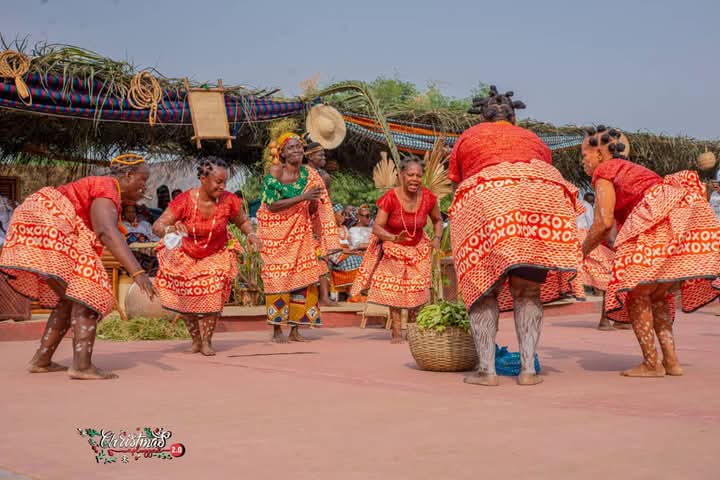
The rich cultural heritage of Akwa Ibom State continues to shine through traditional dance forms such as Ebre, a graceful and symbolic performance deeply rooted in the annual water yam harvest festival, Nsuk Ebre. Originally performed exclusively by women during the harvest season, Ebre dance has evolved into a year-round cultural display featured at major ceremonies and events across the state.
Primarily performed in the hinterlands of the Annang and Ibibio communities, Ebre is more than entertainment, it is a cultural institution. Reserved for women of integrity, honour, and moral excellence, the dance reflects the societal values upheld in Akwa Ibom. Women found wanting in character, those involved in theft, scandalous behaviour, or unable to nurture their daughters—are traditionally excluded from participating in the dance.
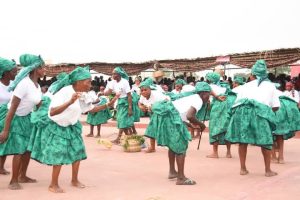
Ebre dance places emphasis on marriage, womanhood, and the virtues of hard work. These values are evident in the dancers’ costumes, lyrics, and movements. Dancers appear fully dressed in traditional wrappers, blouses, and head ties, with anklets that rattle rhythmically as they perform. At the centre of the performance is the lead dancer, who carries a basket of water yam, Akpaan Ebre, on her head, accompanied by a symbolic cultural husband.
The enduring appeal of Ebre dance underscores Akwa Ibom’s commitment to preserving its cultural identity. As the state continues to promote tourism and cultural pride through platforms like the ARISE Agenda, Ebre remains a colourful reminder that in Akwa Ibom, culture is not only lived but celebrated.
Ebre Tim!!!
Akwa Ibom – A Place to Be.