
By Our correspondent
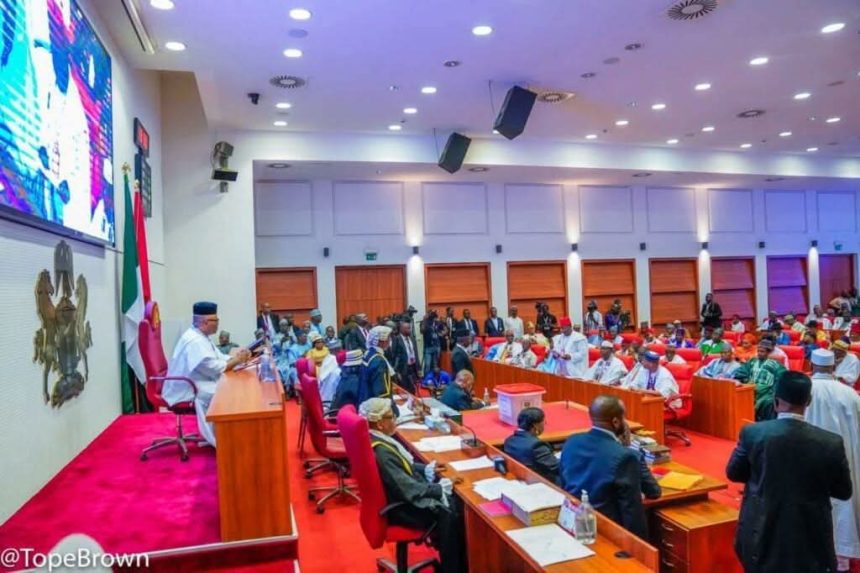
Nigeria’s upper legislative chamber on Tuesday passed the Electoral Act Amendment Bill following a contentious debate over provisions relating to the electronic transmission of election results.
The passage of the bill by the Nigerian Senate came after lawmakers clashed over Clause 60, a section that addresses the legal framework for the electronic transfer of results from polling units to central collation systems.
Deliberations were dominated by arguments for and against granting the electoral umpire the authority to transmit results electronically. While some senators insisted that technology-driven processes would enhance transparency, reduce manipulation, and boost public confidence, others raised concerns over infrastructure gaps, network reliability in rural areas, and the risk of technical failures that could undermine the credibility of elections.
Supporters of electronic transmission argued that Nigeria’s democratic process must align with global best practices, emphasizing that credible elections are foundational to national stability. They maintained that empowering the electoral body to adopt technology would curb post-election disputes and restore voter trust.
However, dissenting voices cautioned that the country’s digital divide remains significant. They stressed that without guaranteed nationwide connectivity and adequate safeguards, mandating electronic transmission could create fresh grounds for litigation and controversy.
The amendment bill seeks to refine key aspects of the existing electoral law, including procedures for accreditation, voting, collation, and result management. Observers note that the controversy over e-transmission reflects broader tensions between reform advocates and those wary of rapid technological shifts in the electoral system.
With the Senate’s approval secured, the bill now moves through the remaining legislative processes before it can be transmitted for presidential assent.
Political analysts say the final outcome of the amendment could significantly shape preparations for future general elections, particularly in defining the role of digital innovation in strengthening electoral integrity.
The Evangelist News