
By Solomon OKPO
Abuja, The Nigerian Senate has cautioned that ongoing reforms in the secondary school curriculum must be driven by careful planning, inclusive consultation and clear communication to avoid placing undue academic and psychological pressure on students.
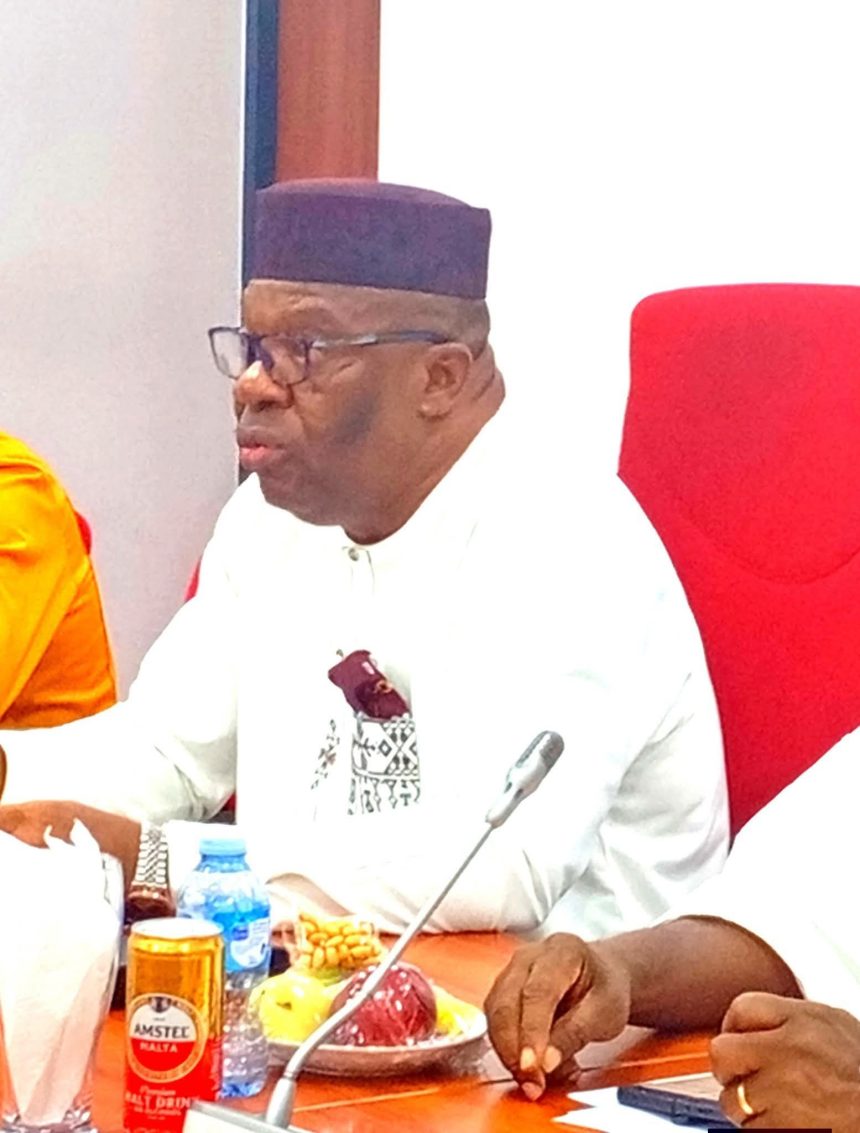
Vice Chairman of the Senate Committee on Education (Basic and Secondary), Ekong Sampson, stated this on Thursday while addressing an interactive session between the Committee, the Federal Ministry of Education and the West African Examinations Council (WAEC).
Sampson explained that the meeting was convened pursuant to a Senate resolution adopted on Tuesday, December 9, 2025, following deliberations on a motion urging a review of the policy and implementation timeline for recent changes to the secondary school curriculum. The reforms include the removal of three subjects and the introduction of a new curriculum for Senior Secondary School Three (SS3) students, many of whom are preparing for the May/June 2026 WAEC examination.
According to him, the Senate’s concern is anchored on fairness, timing and student welfare, particularly for candidates already at the terminal stage of their secondary education.
“The objective of this engagement is to ensure that education policy reforms are fair, well-timed and do not impose unnecessary academic or psychological burdens on Nigerian students,” Sampson said.
He noted that the Committee is seeking clarity on the policy rationale behind the removal of the affected subjects, the adequacy of the implementation timeline, and the level of preparedness of teachers, schools and examination bodies to deliver the changes seamlessly. The Committee is also examining the implications of the reforms for students already registered for the 2026 WAEC examination.
While stressing that the session was not designed to reverse policy decisions arbitrarily, Sampson maintained that the Senate has a responsibility to ensure that reforms are evidence-based, student-centred and aligned with global best practices.
The lawmaker further raised concerns over the introduction of new trade and vocational subjects within the WAEC-SSCE framework, noting that Nigeria already has the National Business and Technical Examinations Board (NABTEB) statutorily mandated to examine and certify technical and trade courses.
“Institutional overlap must be avoided, and fairness to candidates must be guaranteed,” he said, adding that the Committee expects clear justification on how the new approach aligns with existing mandates and ensures adequate preparation for affected students.
Sampson reaffirmed the Senate’s strong support for reforms aimed at strengthening the education sector, but insisted that such reforms must prioritise the interests of students and parents.
He urged representatives of the Ministry of Education and WAEC to engage the Committee with openness and factual submissions to guide any further legislative or oversight actions deemed necessary.
ADVERTORIAL