By Solomon OKPO | Uyo
The International Marine Contractors Association (IMCA) has intensified efforts to strengthen the training, certification and international recognition of Nigerian commercial divers as part of a broader initiative to develop the next generation of professionals for the country’s offshore and maritime industries.
The IMCA leadership, led by its Chief Executive Officer, Ian Ranger, was in Nigeria last Thursday on a courtesy visit to the National Assembly, where discussions centred on developing internationally benchmarked training systems for Nigerian divers and creating an enabling environment for indigenous participation in the global offshore industry.
The engagement brought together regulators, industry operators, training institutions and other stakeholders to examine critical issues surrounding diver training, competence, safety, certification and international recognition.
According to stakeholders, the conversation is gradually shifting from merely building capacity to ensuring that Nigerian-trained divers can obtain qualifications that meet globally recognised commercial diving standards.
Nigeria already has a number of diving contractors and training institutions, particularly within the oil-producing Niger Delta.
In Akwa Ibom State, Azi Marine and General Services has emerged as one of the indigenous companies involved in the marine and diving services sector. The company is also associated with the history of commercial diving in the region, with the first Niger Delta diver reportedly trained by IMCA UK in collaboration with ExxonMobil in the early 1970s. The company has since developed diving capabilities supported by modern equipment and standards.
During the IMCA visit to Lagos, the association’s leadership also engaged students and prospective professionals at the University of Lagos as part of efforts to expose young Nigerians to opportunities in commercial diving. The initiative was designed to create awareness, generate interest and encourage a new generation of Nigerians to consider diving as a specialised career within the offshore industry.
Ranger explained that the next phase would involve working with IMCA’s Nigerian members, local industry associations and training establishments to identify the specific challenges confronting diver training in the country.
He noted that a major objective was to develop practical solutions that would enable Nigerian training institutions to meet internationally recognised benchmarks and provide a clear pathway towards global certification.
Stakeholders stressed that Nigeria was not seeking reduced standards or special treatment, but a system that would enable competent Nigerian institutions to achieve international recognition. Training institutions would need to demonstrate compliance in areas including training systems, instructor competence, equipment, safety procedures, competence assessment and quality assurance, the same fundamentals that underpin reputable commercial diving operations globally.
Worker safety was also identified as a critical component of the process. With the Federal Ministry of Labour and Employment and other regulatory agencies expected to play important roles, stakeholders emphasised the need for effective enforcement and compliance across the diving industry. They noted that commercial diving involves significant occupational risks and requires strict medical, technical and operational controls.
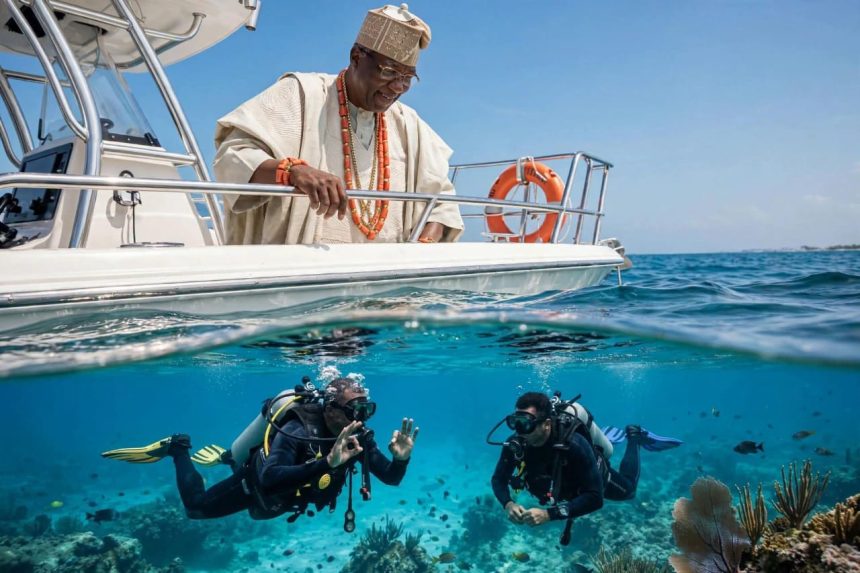
Commercial diving remains one of the most specialised occupations in the offshore industry, placing personnel in demanding underwater environments where sophisticated equipment, communication systems, emergency procedures and safety protocols are essential.
For stakeholders, strengthening regulation, training and certification is therefore not only about employment opportunities but also about protecting lives and enhancing Nigeria’s credibility in the international offshore market.
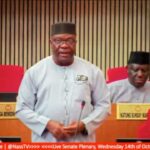
Representing the President of the Senate, Senator Gbenga Daniel said the National Assembly was interested in creating an enabling environment in which the diving sector and its investors could thrive. He noted that legislative interventions already under consideration could provide the necessary framework for strengthening the sector.
The renewed engagement between IMCA, the National Assembly, regulators, training institutions and industry operators is expected to provide a platform for developing a more coordinated framework for commercial diving in Nigeria.
Stakeholders believe that, with proper regulation, investment, training and enforcement, Nigerian divers can compete more effectively for opportunities in the international offshore industry while indigenous companies can secure a stronger position in the global maritime value chain.
The Evangelist News