
Akwa Ibom has stepped into the spotlight with the unveiling of an Olympic-standard boxing ring at the Godswill Akpabio International Stadium, a move that, at first glance, deserves applause.
It projects seriousness. It suggests vision. It signals that the era of neglect in combat sports may finally be giving way to renewal.
But let’s be clear: optics are easy; outcomes are hard.
Governor Umo Eno, working through the Ministry of Sports led by Paul “sports” Bassey, has made a statement. After nearly two decades of relying on worn-out boxing facilities, replacing obsolete rings is not just commendable, it is long overdue. No serious sporting culture thrives on outdated infrastructure.
Yet, this is where the real conversation begins, not ends.
Nigeria’s sports sector is a graveyard of promising initiatives that never matured. Facilities have been built with fanfare, only to deteriorate into relics of abandoned ambition. The pattern is familiar: launch big, maintain poorly, forget quickly. That cycle must be broken, or this new ring will simply join the list.
A modern boxing ring does not produce champions. Systems do.
If Akwa Ibom is serious about rewriting its sporting narrative, then this investment must anchor a disciplined ecosystem. Talent identification at the grassroots level cannot remain accidental. Coaching must move beyond informal methods to certified, modern standards.

Athletes need access to sports science, nutrition, and medical support. Competitions must be structured, frequent, and merit-driven. Funding must be transparent and sustained, not seasonal or politically convenient.
Anything short of this is cosmetic progress.
The ambition to produce Olympic-level fighters is admirable. But ambition without architecture is illusion. The nations that dominate boxing didn’t stumble into greatness; they engineered it. They built pipelines, starting from schools, extending to clubs, and culminating in elite performance systems. Every stage is deliberate, monitored, and continuously improved.
Akwa Ibom has never lacked talent. What it has lacked is continuity.
Distributing equipment to sporting associations and upgrading training facilities are steps in the right direction. But without coordination, such efforts risk becoming fragmented gestures.
The state must align schools, local gyms, associations, and national bodies into a single, coherent framework. Fragmentation is the enemy of progress.
There is also a larger opportunity at stake, one that goes beyond medals.
Boxing and other combat sports are no longer just athletic pursuits; they are economic assets. Globally, they generate massive revenue through sponsorships, media rights, and events.
With strategic planning, Akwa Ibom could evolve into a regional hub, hosting tournaments, attracting training camps, and driving sports tourism. That is how infrastructure translates into economic value.
But that level of transformation requires professionalism, not patronage.
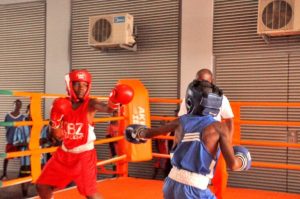
The exhibition bouts staged during the unveiling were a promising sign. They showed hunger, readiness, and raw potential. Coaches like Effiong Asuquo have long insisted that the talent exists. They are right. What has been missing is a system that consistently nurtures and showcases that talent.
Consistency, not ceremony, will determine success.
In the end, this initiative will not be judged by the quality of steel and canvas inside the ring. It will be judged by what emerges from it in the next decade: champions, professional contracts, international recognition, and sustainable careers.
Akwa Ibom has made a move. A visible one. A necessary one.
But in sports development, visibility is not victory.
The real victory will come when this ring stops being a symbol and starts producing results.