By Solomon OKPO | The Evangelist News Desk
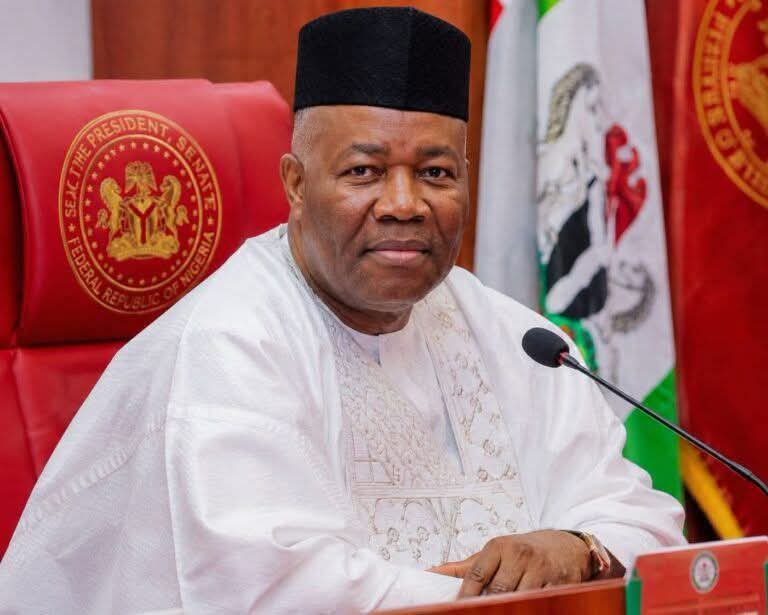
President of the Senate, Godswill Obot Akpabio, has challenged stakeholders in Nigeria’s petroleum industry to demonstrate tangible economic gains from the Petroleum Industry Act (PIA), insisting that the success of the landmark legislation must be measured by results, accountability and improved living conditions for Nigerians.
Akpabio gave the charge as the PIA marks five years, stressing that the law must move beyond promises and policy declarations to deliver measurable benefits to the economy and citizens.
The Senate President’s position underscores the need for stakeholders across the petroleum value chain to ensure that the reforms introduced by the Act translate into greater transparency, improved investment, increased productivity and sustainable development.
The PIA was enacted in 2021 to provide a comprehensive legal and regulatory framework for Nigeria’s petroleum industry, with objectives that include improving governance, attracting investment, strengthening accountability and enhancing benefits to oil-producing communities.
Five years after its enactment, the performance of the legislation remains an important issue for public scrutiny, particularly regarding the management of petroleum resources, the delivery of benefits to host communities and the extent to which the reforms have improved the nation’s economic fortunes.
Akpabio’s call places responsibility on government institutions, regulators, operators and other industry stakeholders to demonstrate what the Act has achieved and identify areas requiring further implementation and oversight.
For oil-producing states such as Akwa Ibom, effective implementation of the PIA is particularly significant, given the importance of petroleum resources to local economies, employment opportunities, environmental protection and community development.
The challenge, therefore, is to ensure that the benefits of petroleum-sector reforms are visible not only in government policies and industry reports but also in improved infrastructure, stronger local economies and better living conditions for host communities.
As Nigeria reflects on five years of the PIA, the emphasis on results and accountability reinforces the need for sustained oversight, transparent reporting and practical measures to ensure that the legislation fulfils its promise to the country.
The Evangelist notes that the true test of the PIA lies in its ability to deliver tangible and verifiable benefits to Nigerians, particularly the communities whose resources sustain the petroleum industry.