By The Evangelist Reporter
An election administrator with deep roots in Nigeria’s electoral system, Elder Aniedi Ikoiwak has dismissed ongoing advocacy for special legislative seats for women as impractical under the current constitutional framework.
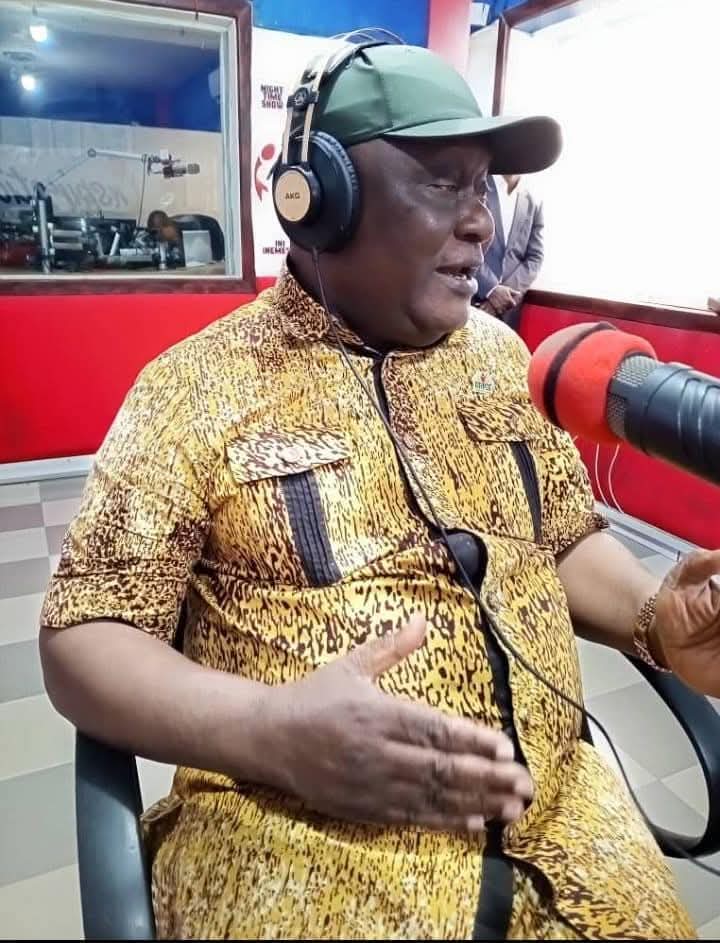
Speaking in a telephone interview from his hometown of Eket with the Editor-in-Chief of The Evangelist, Ikoiwak argued that proponents of the bill “got it all wrong,” insisting that the structure of Nigeria’s legislature leaves little room for such adjustments without far-reaching constitutional consequences.
According to him, seats in the Senate, House of Representatives and State Houses of Assembly are already constitutionally defined, with clear boundaries and delineations. He questioned how the National Assembly could create additional seats exclusively for women without fundamentally altering the country’s political structure.
“Are we going to balkanize the country to achieve that? It may even require a referendum,” he said.
Ikoiwak maintained that a more realistic and legally grounded approach would have been to embed gender inclusion within the Electoral Act during past reforms. He proposed a system that would mandate one women-only federal constituency per senatorial district, translating to 108 seats in the House of Representatives.
Extending his recommendation, he suggested that each state should reserve one of its three senatorial seats for women, producing 36 female senators nationwide. At the state level, he advocated for one women-only seat per federal constituency, a move he said would guarantee that women occupy at least one-third of State Assembly positions.
“If this had been incorporated into electoral reforms earlier, we would already be contesting under that framework today,” he noted.
Ikoiwak expressed sympathy for Nigerian women but criticized what he described as superficial political support from male leaders. He argued that many male politicians publicly endorse the idea of special seats while privately recognizing its improbability.
“No man wants to lose his seat in any of the chambers,” he added, casting doubt on the sincerity of political backing for the proposal.
The debate over women’s representation in Nigeria’s political space has continued to generate controversy, with advocates pushing for structural reforms to address longstanding gender imbalance in elective offices. Ikoiwak’s intervention adds a critical voice from within the electoral administration community, highlighting the legal and political hurdles that such reforms must overcome.