
By Solomon OKPO
The Akwa Ibom Broadcasting Corporation (AKBC) is undergoing a sweeping digital transformation under the administration of Governor Pastor Umo Eno, PhD, marking a decisive shift from decades of analogue limitations to a future anchored on modern broadcast technology and global competitiveness.
For nearly 40 years, AKBC remained a symbol of professional excellence constrained by outdated infrastructure, despite its pool of seasoned broadcasters and strong public goodwill. That narrative is now changing as the state government embarks on a comprehensive overhaul aimed at repositioning the broadcaster within Nigeria’s fast-evolving media space and the wider international broadcast ecosystem.
The transformation, observers say, reflects Governor Eno’s long-held appreciation of broadcasting as a strategic tool for governance, public engagement, and cultural projection. Long before assuming office, the Governor, then a leading figure in the tourism and hospitality industry and a prominent minister of the Gospel—had consistently expressed forward-looking views on the need to modernise AKBC during his appearances on live television programmes hosted at the corporation’s old analogue transmission station in Ntak Inyang Itam.
Today, those ideas are finding practical expression. The ongoing digital facelift at AKBC goes beyond routine upgrades, encompassing ultra-modern broadcast equipment, IP-based workflows, advanced production and playout systems, digital archiving, and global transmission compatibility. The investment is designed to enhance content quality, speed, reliability, and professionalism, placing the state-owned broadcaster on a competitive footing with reputable national and international media organisations.
The development also signals the government’s intention to project Akwa Ibom State more effectively on premium platforms, including satellite television, while strengthening democratic discourse through modern communication tools.
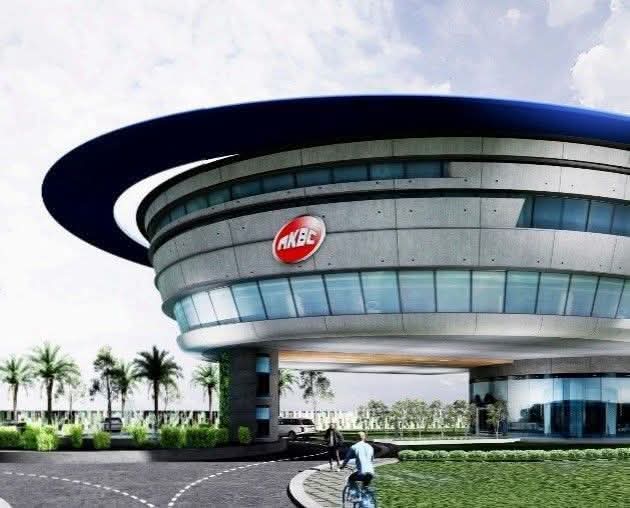
Perhaps the most historic aspect of the reform is the construction of a permanent, purpose-built corporate headquarters for AKBC, an ambition that remained unrealised since the creation of the state over 38 years ago. The new ultra-modern headquarters is expected to provide a stable institutional home, foster innovation, support professional training, and guarantee the long-term relevance of the broadcaster in a highly competitive digital age.
Commenting on the development, stakeholders describe the initiative as a defining moment for broadcasting in Akwa Ibom State, noting that it represents not just physical infrastructure, but a renewed digital identity and institutional rebirth.
With the twin pillars of digital modernisation and a permanent headquarters, the Umo Eno administration is widely credited with securing a lasting legacy for AKBC one that positions the corporation to confidently engage audiences locally and globally, while telling the Akwa Ibom story with clarity, credibility, and modern flair.
The Evangelist News