By Solomon OKPO
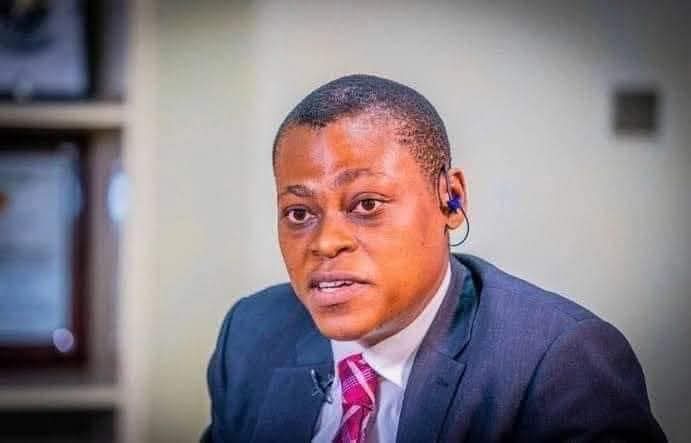
Lagos, Rufai Oseni, a prominent Nigerian journalist and co-host of Arise Morning Show, has drawn widespread commendation following his recent interview with Nigeria’s Minister of Works, David Umahi. The exchange, marked by Oseni’s incisive questioning style, has reignited public discourse around accountability in governance and the role of journalism in a democracy.
During the interview, Oseni employed what some observers have described as “journalism unusual”, a firm, unflinching approach that pressed the Minister on issues surrounding infrastructure, project execution, and transparency. The result was a revealing conversation that not only shed light on policy implementation but also gave the public a deeper look into the Minister’s temperament under scrutiny.
The interview quickly went viral, with many Nigerians praising Oseni for holding a government official to account in a manner that was both respectful and rigorous. His performance has been celebrated across social media, with some suggesting he be invited as a guest lecturer in journalism schools for his fearless approach to political interviews.
Media analysts have noted that such exchanges are essential in a functioning democracy, especially in a country where infrastructure, healthcare, and public services often fall short of citizens’ expectations. “What Oseni did is what journalism is meant to do—demand clarity, demand accountability, and make the powerful uncomfortable when necessary,” one commentator said.
As Nigeria continues to grapple with numerous development challenges, the role of the press in shaping governance outcomes remains pivotal.
With journalists like Rufai Oseni at the forefront, many believe the tide may be turning toward greater transparency and responsiveness in public office.