
When Dangote Refinery finally roared to life, many Nigerians exhaled in relief. At last, we had a chance to end our shameful reliance on imported fuel, despite sitting atop some of the world’s richest oil reserves. It was supposed to be the dawn of energy independence, but once again, Nigerian politics and vested interests are threatening to turn hope into chaos.
Let’s be clear: the Dangote Refinery is not just a business venture. It is a national strategic asset. For decades, Nigerians have suffered under the yoke of fuel importation, subsidy scams, refinery turnarounds that turned nothing around, and pump price uncertainty. Then comes a private investment, built against all odds, with the capacity to not only meet local demand but even export surplus. And what do we do? We bicker. We obstruct. We politicize.
First, it was the debate over who Dangote should sell refined petrol to, the marketers or NNPC. That argument was less about efficiency and more about control and profiteering. Then came the absurdity: Nigeria, Africa’s top oil producer, could not even supply crude to its own refinery. Dangote had to import crude from abroad, while Nigerian crude was tied up in opaque international deals. Who benefits from this madness? Not the average Nigerian at the fuel pump.
Now, the latest drama is unfolding. PENGASSAN is threatening a strike over union recognition at the refinery. Workers have rights, no doubt. But timing is everything. In a nation with private universities and industries running without union disruption, one must wonder, why now?
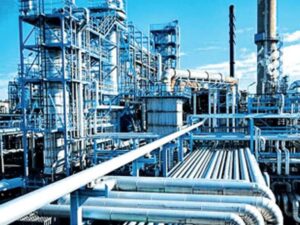
Who is really afraid of this refinery working? The answer is not far-fetched. Dangote’s operations have already disrupted the fuel import cartel, a multi-billion-dollar gravy train. Every litre refined locally is one less dollar in the pockets of those who have milked Nigeria’s broken system for years. These interests won’t go down without a fight, and they may be hiding behind every new controversy.
Let’s be honest: if this were a government refinery, it would still be waiting for “rehabilitation funds” or mired in bureaucratic procurement. We’ve seen it all before. What we haven’t seen is bold, local investment delivering real results. Dangote has done that. Like it or not, he has succeeded where government failed.
So, it’s time to decide. Will we let old interests sabotage our future again? Or will we rise, for once, in defence of progress?
All stakeholders, the government, labour unions, oil marketers, and regulators, must act with one thing in mind: national interest. Not egos, not kickbacks, not personal gain. Dangote Refinery is a test case. If it fails, it won’t just be Aliko Dangote who loses. It will be every Nigerian paying N700 for a litre of petrol.
We must protect what works. That’s the straight talk.