By Solomon Okpo
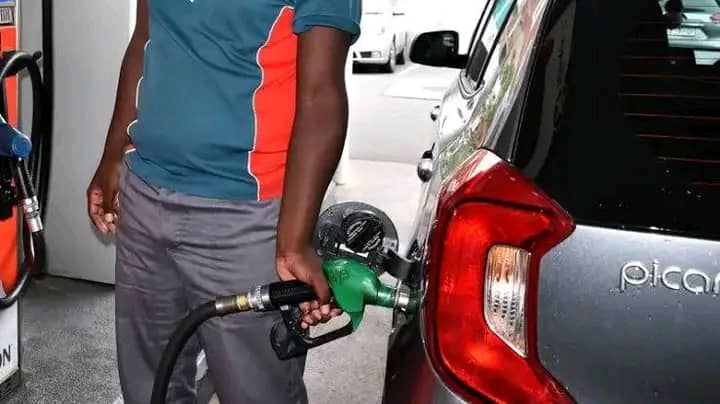
For millions of Nigerians grappling with relentless fuel scarcity and skyrocketing pump prices, the hardship is obvious. But for the fuel attendants manning the pumps, those who endure the daily chaos, fumes, and fatigue, the struggle cuts deeper.
In Akwa Ibom and Cross River States, filling station attendants are enduring 18-hour shifts for as little as ₦10,000 to ₦30,000 ($7–$18) a month, wages that barely sustain them. Some, like Emmy, a young woman working at a station in Uyo, earn less than ₦10,000 after deductions. “Last month, I was paid only ₦8,000,” she said quietly, her voice tinged with resignation.
The work is grueling. Emmy leaves home at 5:00 a.m. to resume by 5:30 a.m., returning well past midnight due to long hours balancing daily sales. “Sometimes, I can’t even find a bike to take me home,” she lamented.
Shift patterns labeled “one day on, one day off” are deceptive. Fuel attendants are on their feet from dawn until nearly midnight. “We close by 11 p.m., but reconciling accounts can keep us here till midnight,” said Cynthia, another attendant.
Beyond the punishing hours and minuscule pay, attendants are held responsible for equipment failure. Emmy recounted how a colleague is being forced to pay for a broken fuel nozzle worth over ₦40,000, more than four months’ salary, despite management’s negligence in repairing the defective tool.
As Nigerians queue endlessly for fuel, vehicles snaking down highways, causing citywide gridlocks in Lagos and beyond, the real human cost often goes unseen. The hardship isn’t just at the pump; it’s also behind it.
Until regulatory frameworks protect low-wage workers in the energy sector, and labour rights are enforced, fuel attendants like Emmy and Cynthia will continue to suffer in silence, powering a nation that gives them little in return.