

The recent arrest of a 13-year-old pupil from Saint Paul Primary School, Ikot Ibiok, in Eket Local Government Area, for allegedly threatening his classmates with a locally made pistol, raises a critical question: Why are cultism-related activities on the rise in secondary schools?
Cultism in secondary schools has become a disturbing trend, with children as young as 10 being lured into gangs.
Some parents fail to instill proper discipline or monitor their children’s activities. Broken homes, absentee parenting, or lack of moral values leave children vulnerable to negative influences.
While the government enacts laws against cultism, enforcement is often weak. Schools lack security measures to prevent cult-related activities, and punishment for offenders is not always strict enough to serve as a deterrent.
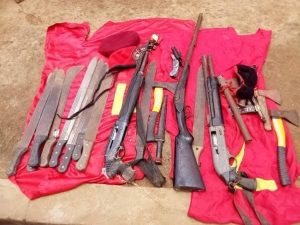
Many students see cultism as a way to gain respect or power. Music, movies, and social media often glorify gang culture, making it attractive to impressionable young minds.
When students are idle or frustrated due to poor education facilities and lack of recreational activities, they seek alternative ways to express themselves, sometimes through cultism.
Rather than pointing fingers, all stakeholders must take responsibility:
Parents must be more involved in their children’s upbringing, ensuring they instill moral values and discipline.
The Government must strengthen security in schools, enforce stricter laws, and ensure schools provide engaging extracurricular activities to keep students occupied.
Society must discourage the glorification of crime and violence, while religious institutions and community leaders must actively educate young people on the dangers of cultism.
We need a multi-stakeholder approach to combat cultism. Schools should introduce anti-cultism clubs and workshops, security agencies must take a proactive role, and parents should be held accountable for their children’s behavior.
What are your thoughts? How do you think we can curb this growing menace in our schools? Share your views.