By The Evangelist newspaper
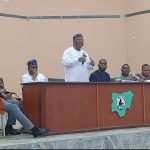
The communiqué issued by the Nigeria Union of Journalists, Akwa Ibom State Council, following its March 24, 2026 Congress in Uyo, offers more than a routine summary of proceedings. It reflects the enduring tension between professional solidarity, political proximity, and the pressing socio-economic realities confronting both journalists and the wider public.
At its core, the Congress reaffirmed the centrality of journalists as indispensable actors in the democratic process. This is not mere rhetoric. In an era of heightened political contestation and economic uncertainty, the watchdog role of the press is more critical than ever. However, such reaffirmation must be matched with visible independence, especially when the Union finds itself applauding political actors who are simultaneously subjects of media scrutiny.
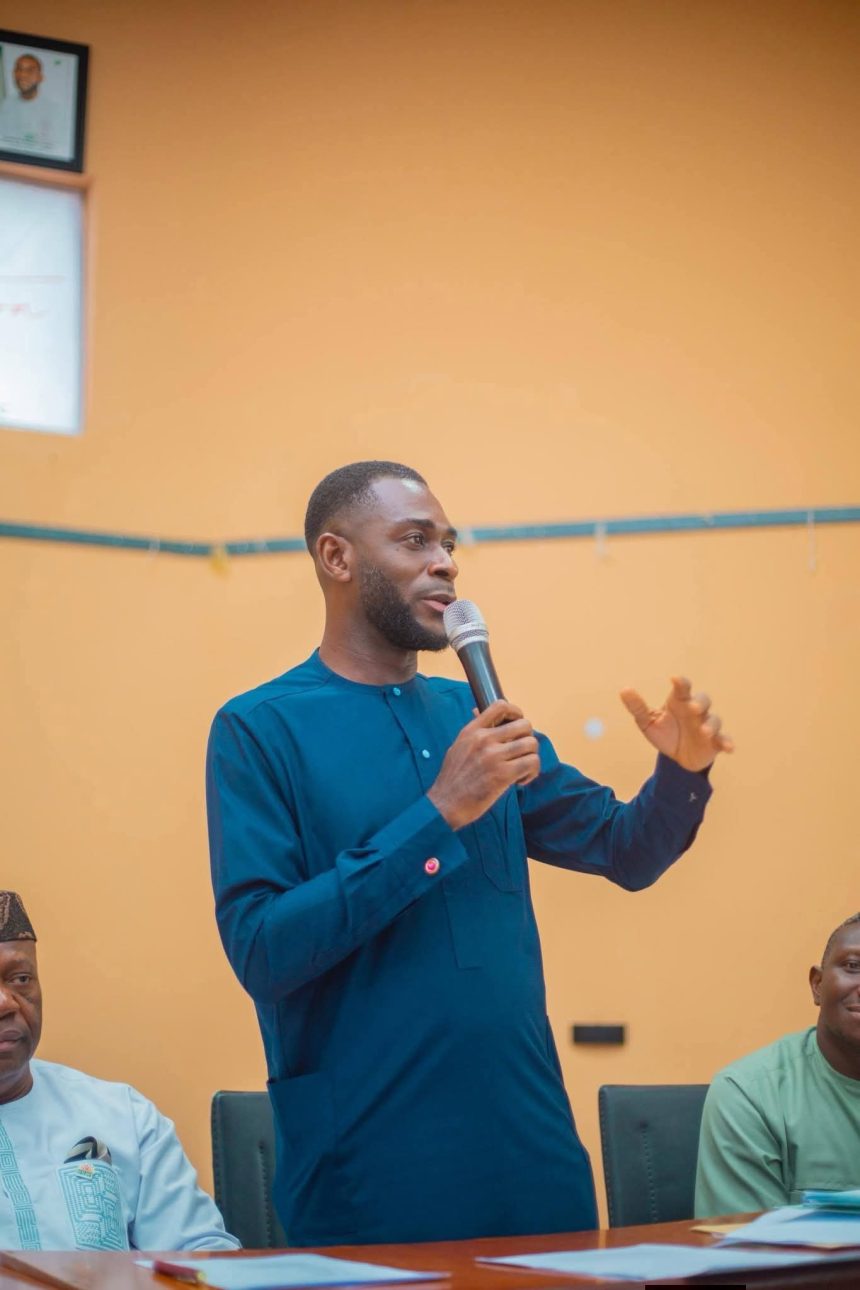
The warm reception and subsequent vote of confidence passed on Ekong Sampson, alongside commendations for his legislative performance and elevation as Chairman of the Senate Committee on Solid Minerals, raises important questions. While recognition of merit is justified, the optics of such endorsements by a professional body demand careful consideration. Journalism thrives on objectivity; any perception of alignment with political figures, no matter how accomplished, risks blurring the line between observer and participant.
Similarly, the appreciation extended to the leadership of Nsibiet John for legal victories and infrastructural improvements within the Press Centre underscores internal progress.
The furnishing of the Patience Umo Eno Hall and the maintenance of the Press Centre are commendable steps toward strengthening institutional capacity. Yet, infrastructure alone does not define the strength of a union, its voice on issues of public concern does.
On that front, the Congress demonstrated commendable awareness by highlighting the escalating cost of transportation across the state. This concern strikes at the heart of journalistic practice. Reporters cannot effectively cover communities if mobility becomes financially prohibitive. More broadly, the rising cost of living is a shared burden for citizens, and the NUJ’s call for government intervention is both timely and necessary.
However, the Union must go further. Advocacy should not end at appeals; it must evolve into sustained engagement, policy interrogation, and, where necessary, constructive pressure.
The same energy deployed in celebrating political appointments should be channelled into demanding accountability, transparency, and tangible relief for the populace.
What emerges from this communiqué is a Union at a crossroads, eager to maintain relevance, supportive of its members in public office, yet confronted with the imperative to assert its independence in an increasingly complex political environment.
The path forward is clear. The NUJ must recalibrate its posture, ensuring that commendation does not overshadow criticism, and that professional integrity remains non-negotiable. In doing so, it will not only safeguard its credibility but also reinforce its indispensable role as the conscience of society.
Anything less would diminish the very democratic ideals it seeks to uphold.