By Solomon OKPO
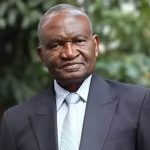
A power expert and energy analyst, Elder Etukudo Essien, has identified weak transmission infrastructure, unreliable gas supply and slow market implementation as the core drivers of Akwa Ibom State’s persistent electricity challenges, calling for decisive investment in river-based hydro power and rapid expansion of the state’s transmission network.
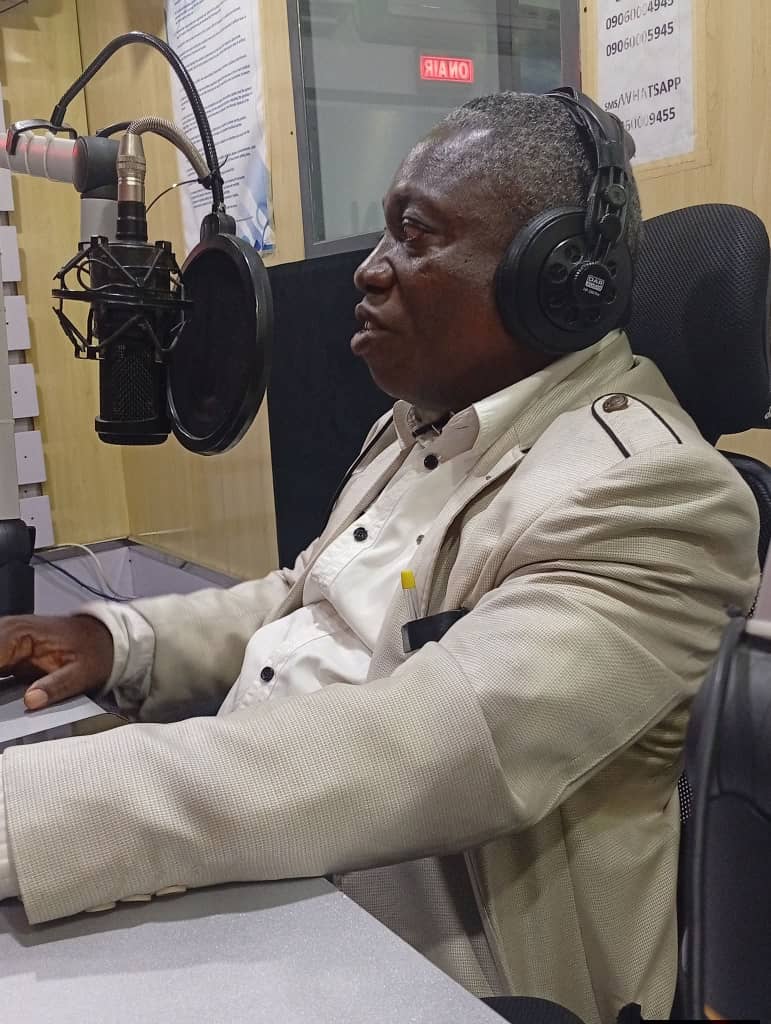
Essien, who is affiliated with ZubGo EV Limited and ZubGo Projects & Consulting Limited, made the assertions while featuring as a guest on Passion FM in a programme, MORNING FLIGHT, focused on the power situation in Akwa Ibom State, covering generation,
transmission, electricity market development and renewable energy prospects.
On power generation, the analyst noted that Akwa Ibom is not entirely powerless, pointing to the Ibom Power Company, a state-linked Independent Power Plant in Ikot Abasi with an installed capacity of about 191 megawatts. He explained that the plant has, at different times, operated in “island mode” to supply electricity directly within the state.
However, he stressed that the plant’s potential remains largely underutilised due to persistent gas supply disruptions from Accugas/Savannah Energy and weak evacuation infrastructure.
According to him, even when power is generated, inadequate transmission capacity prevents effective delivery to consumers, forcing households, small businesses and industries to rely heavily on diesel generators.
Essien described transmission as Akwa Ibom’s weakest link, noting the state’s heavy dependence on the Aba–Itu 132kV transmission line, which he said suffers frequent faults and outages. These failures, he explained, have led to repeated and prolonged blackouts across major towns and business districts.
“The Aba–Itu 132kV line fails too often to count,” he said, adding that the situation does not necessarily require a complete upgrade but the provision of additional transmission gates, which would significantly improve flexibility, reliability and reduce blackout frequency.
He further advocated the development of a ringed state grid network, arguing that without a robust transmission backbone, improvements in generation would yield little impact. To the best of his knowledge, he noted, no such state grid project is currently underway, despite its urgency.
On electricity market development, Essien acknowledged the progress made by the state through the enactment of the Akwa Ibom State Electricity Law (2025) and the approval of an Electricity Policy (2024). He also referenced the establishment plans for the Akwa Ibom State Electricity Regulatory Commission (AKSERC), the Akwa Ibom State Electrification Agency (AISEA) and a proposed state-owned distribution company.
While commending these steps, he cautioned that the Akwa Ibom State Electricity Market (AKSEM) is yet to become fully operational. He noted that boards and institutions are still being structured, licenses are still in planning stages, and that without actual power generation, transmission and distribution, there is “no commodity to trade” in the electricity market.
Turning to renewable energy, Essien criticised over-reliance on gas-to-power as a so-called green solution, insisting that gas is not renewable energy. He argued that while solar energy has a role, it should be limited to micro and emergency supply, not base-load generation.
He disclosed that ZubGo Projects & Consulting Limited has proposed the development of a river water hydroelectric power plant not dam-based to the Akwa Ibom State Government as a cleaner, more reliable and sustainable alternative. According to him, the proposed solution would generate electricity while simultaneously producing potable water as a by-product, both of which could be distributed for public use.
“With a state of emergency already declared in the power sector, a river water hydro generating plant should be achievable within 12 months, if there is political will,” he said.
Essien also called for full privatisation and effective metering in the power sector, noting that no state-funded metering programme currently exists. He maintained that decisive action, prompt funding and structural reforms are critical if Akwa Ibom is to break free from chronic power outages and unlock the full benefits of its electricity market reforms.
He concluded that without urgent intervention in generation, transmission and distribution, Akwa Ibom’s electricity challenges would continue to undermine economic growth, investment and quality of life across the state.
The Evangelist News
+2348028276118.